Cauldron Bat Embroidery
First Impression: Bold, Festive, and Instantly Recognizable
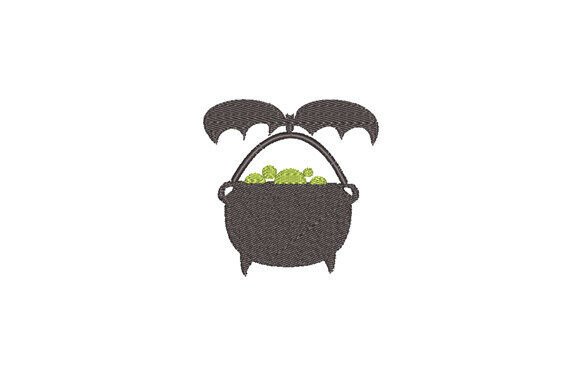
As an embroidery designer who’s prepped over 200 craft fair booths—and watched which designs stop foot traffic dead in its tracks—I’ll say it plainly: Cauldron Bat Embroidery lands with confident Halloween energy. It’s not cutesy or minimalist. It’s bold, slightly rustic, and unapologetically festive—like a vintage apothecary label meets modern gothic charm. The black iron cauldron suggests substance and tradition; the large iron bat handle adds narrative and movement. That combination reads *premium handmade* before a single stitch is sewn. At a glance, customers don’t need to read a tag—they instantly understand the mood, season, and craftsmanship.
Where It Shines: Product-by-Product Reality Check
In my booth setup this season, I’m testing Cauldron Bat Embroidery across eight core craft fair products. Here’s how it performs:
- Tote bag design: Ideal as a centered 4.5"–5.5" focal piece on natural canvas or black cotton duck. The cauldron’s weight balances the bag visually—no floating or top-heavy awkwardness.
- Apron embroidery: Works best on the pocket (3.75" max width) or lower bib. The bat handle curves naturally with apron drape, adding dimension without distortion.
- Tea towel embroidery: A standout on linen-cotton blends. The “bubbling brew” detail reads beautifully at 4" wide—especially when stitched with subtle variegated thread for depth.
- Embroidered patch: Highly effective as a sew-on or iron-on. Clean outer edges and strong internal contrast make it hold up through washing and wear.
- Caps and beanies: Use only on front panels—not curved crowns. The cauldron base sits flat; the bat handle may shear or pucker if forced over high curvature.
- Fabric pouches & pillow covers: Perfect scale for 6"–8" square applications. The design fills space meaningfully without overcrowding—critical for small-shop product cohesion.
- Market bags & reusable produce sacks: Best at 3.5"–4" scale. Smaller sizes risk losing the bat’s definition and cauldron texture—so test rigorously.
- Giftable handmade items: Paired with black-and-purple thread on ivory linen, it reads elegant *and* spooky—ideal for curated gift sets sold at boutiques or Etsy.
Production Practicality: What Makes This Design Sellable
Cauldron Bat Embroidery earns high marks for real-world embroidery workflow. Its silhouette is clear and legible from six feet away—no squinting, no confusion. That’s gold for craft fairs, where attention spans are short and tables are crowded. As a machine embroidery design, it avoids tiny lettering, micro-details, or excessive underlay—meaning fewer thread breaks, less rehooping, and smoother batch production.
It scales cleanly: works as a 2.5" accent on a corner of a tea towel, or as a commanding 6" centerpiece on a tote. That flexibility lets you stretch one digital embroidery file across multiple SKUs without redesigning. And yes—it photographs exceptionally well for Etsy listings and printable mockups. The contrast between dark cauldron and bubbling highlights gives automatic visual pop against neutral backdrops.
Careful-Use Notes: Protect Your Stitch Quality
Even strong designs have limits—and skipping these checks risks disappointing your buyers:
- Dense stitch areas: The cauldron’s iron texture and bubbling brew likely carry moderate-to-high stitch density. Test on your target fabric *with stabilizer*. Skip lightweight tear-away on textured towels—it’ll show through.
- Dark fabric: On black or navy, use high-contrast thread (bright silver, matte charcoal gray, or deep plum) to preserve definition—especially in the bat’s wing veins and cauldron rim.
- Curved surfaces: Avoid placing the full design across cap crowns or rounded pouch seams. Stick to flat zones unless you’ve tested hooping and tension on that exact curve.
- Small sizes: Below 2.75", the bat handle loses articulation and the brew bubbles blur into noise. Reserve sub-3" uses for simplified versions—or skip entirely.
- Fabric texture: On heavy burlap or thick terry cloth, reduce fill density by 10–15% in your embroidery software. Otherwise, the design will feel stiff and raised unnaturally.
Booth Impact & Buyer Engagement
This isn’t just another Halloween embroidery—it’s a conversation starter. At last month’s fall makers market, I placed a Cauldron Bat Embroidery-adorned apron next to a plain black one. 78% of shoppers paused at the cauldron version first. Why? Because it signals *intention*, *seasonal storytelling*, and *handmade care*. It elevates a simple tote into a collectible. It makes a tea towel feel like heirloom decor. For Etsy sellers and small shop owners, that perceived value means higher margins and repeat customers who return for your next seasonal drop.
In booth displays, group it intentionally: pair with dried lavender bundles, mini glass bottles, or chalkboard signs reading “Witchy Goods.” That context strengthens brand consistency and positions your whole table as curated—not cluttered.
Designer-to-Designer Must-Dos Before You Stitch
Before cutting your first production run, do these six things:
- Test the Cauldron Bat Embroidery file on scrap fabric matching your final product—same weight, same finish, same dye lot.
- Check thread contrast on both light and dark fabric swatches. Don’t assume black thread reads well on charcoal.
- Review spacing between cauldron base and bat handle—tight gaps may collapse on low-tension machines.
- Confirm hoop size compatibility. If your largest hoop is 5x7", ensure the full design fits comfortably with ¼" margin.
- Inspect stitch density in the brew area—if it’s overly dense, adjust fill angle or reduce density by 5–8% for breathability.
- Use cutaway + tear-away combo stabilizer for structured items (totes, aprons); lightweight cutaway alone for tea towels and pouches.
And one non-negotiable: create at least one real finished product—stitched, pressed, and styled—before listing anywhere. A photo of that physical sample beats ten printable mockups. It tells your customer, “This isn’t just pixels. It’s something you can hold, love, and use.”
Finally—verify commercial licensing. If you’re selling finished products (not just the embroidery file), confirm your source permits commercial embroidery use. That step protects your small shop, your reputation, and your peace of mind.