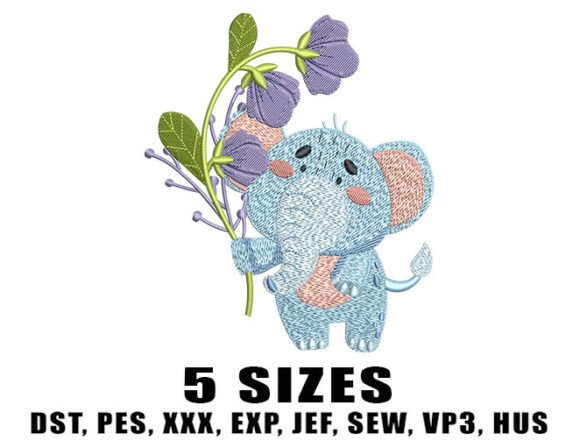
Cute Blue Elephant Embroidery Design
First Impression: Soft, Playful, and Instantly Recognizable
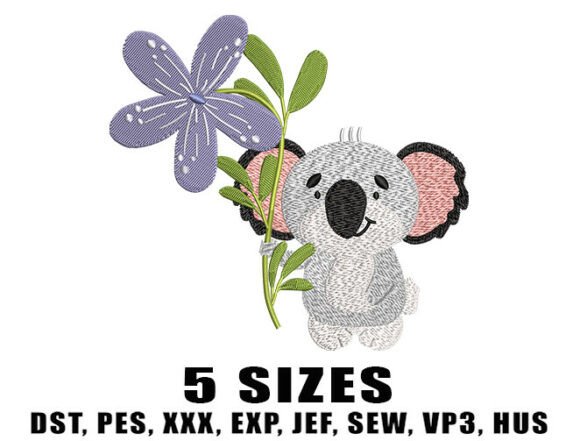
As an embroidery designer who’s prepped over 200 craft fair booths—and shipped thousands of machine embroidery designs to Etsy sellers and boutique makers—I took one look at the Cute Blue Elephant Embroidery Design and smiled. It’s not loud or trendy; it’s softly confident. The description—“Playful baby elephant holding flowers”—immediately signals warmth, innocence, and gentle charm. This isn’t a rustic barnyard motif or a bold graphic statement. It’s a soft, playful, premium-feeling design that lands right between modern nursery style and timeless handmade appeal. That balance is gold at craft fairs—where shoppers scan tables in under three seconds.
Where It Shines: Craft Fair & Handmade Market Realities
In my booth setup—tote bags stacked upright, aprons draped over wooden crates, tea towels folded beside embroidered pillow covers—the Cute Blue Elephant Embroidery Design stands out strongest on three items: small fabric pouches, tea towel corners, and embroidered patches. Why? Because its composition—rounded elephant silhouette, open posture, flower accent—reads clearly even at 3.8 inches (Size 1). On a 6-inch pouch, it feels intentional, not cramped. On a tea towel’s lower corner, it adds quiet personality without overwhelming utility. And as a patch? It’s instantly giftable, sew-on ready, and scales beautifully across all five sizes.
It performs reliably on aprons (centered above the pocket), tote bag flaps (Size 3 at 5.8 inches), and pillow covers (centered or top-quadrant placement). But I’d avoid it on curved surfaces like baseball caps unless using Size 4 or 5 with tested stabilizer—tiny floral details risk distortion. Likewise, dense terry cloth towels or heavily textured linen can mute fine stitch definition, so always test on your exact fabric.
What Makes It Sell: Attention, Value, and Repeat Appeal
This isn’t just another baby animal embroidery file—it’s a customer magnet. At craft fairs, parents pause longest for designs that feel personal, joyful, and handmade—not mass-produced. The Cute Blue Elephant Embroidery Design delivers that. Its simplicity invites connection: no clutter, no aggressive color blocking, just sweet expression and soft curves. That translates directly to perceived value. A $28 embroidered tea towel with this design sells faster than one with generic florals—even at the same price point.
For Etsy sellers and small shop owners, it’s highly repeatable. You can offer matching sets—elephant pouch + tea towel + onesie patch—without visual fatigue. Its consistent mood supports brand cohesion across listings, printable mockups, and social media posts. And because it’s categorized under Baby Animals and Embroidery, it aligns cleanly with high-intent search terms like “baby shower embroidery gift” or “soft elephant patch.”
Practical Production Notes Every Designer Should Check
Before cutting thread or hooping fabric, here’s what I verify every time with the Cute Blue Elephant Embroidery Design:
- Test on scrap fabric first—especially if using dark thread on light fabric or vice versa. Blue thread contrast matters more than you think.
- Review spacing and stitch density—the flower cluster near the elephant’s trunk could compress at Size 1. If stitching looks muddy, bump up to Size 2.
- Confirm hoop size compatibility—all five sizes should fit standard 4x4, 5x7, and 6x10 hoops, but double-check before batch-hooping.
- Match stabilizer to fabric texture—lightweight cutaway for knits, tear-away for quilting cotton, and ultra-stable for terry cloth.
- Create at least one real mockup—not just a digital preview. A physical tote bag sample tells you more about drape, scale, and customer reaction than ten mockup PNGs.
- Compare fabric colors side-by-side—a pale blue elephant reads differently on ivory linen vs. navy denim. Keep swatches on hand.
- Verify commercial licensing—if selling finished products (not just the embroidery file), ensure your license permits resale of physical goods. When in doubt, contact the designer.
Careful-Use Considerations: Protect Your Stitch Quality
The Cute Blue Elephant Embroidery Design is forgiving—but not magic. Avoid pushing Size 1 (3.8”) onto thick fabrics like canvas tote exteriors or structured cap fronts. Tiny flower stems and eye detail may vanish or feather. Likewise, dense stitch areas (like the elephant’s ear curve or flower centers) need proper tension and stabilizer—or they’ll pucker on lightweight cotton. Dark fabric backgrounds require brighter thread colors to maintain clarity, and textured surfaces demand tighter digitizing control. If your embroidery machine struggles with fine transitions, consider simplifying the flower accents manually before production.
Final Thought: A Quiet Standout for Discerning Buyers
In a sea of glittery unicorns and cartoon dinosaurs, the Cute Blue Elephant Embroidery Design wins by being quietly memorable. It doesn’t shout—it invites. It doesn’t compete—it complements. Whether you’re an Etsy seller uploading your first digital embroidery file, a boutique maker stitching custom baby gifts, or a craft fair veteran refreshing your booth lineup, this design earns its place. It photographs beautifully (soft shadows, balanced negative space), stitches consistently across machines, and converts browsers into buyers—especially when stitched thoughtfully onto tactile, well-chosen handmade products. Just remember: great design needs great execution. Test, compare, stabilize, and sell with confidence.