Deer Silhouette Embroidery Design File
First Impression: Elegant, Grounded, and Instantly Recognizable
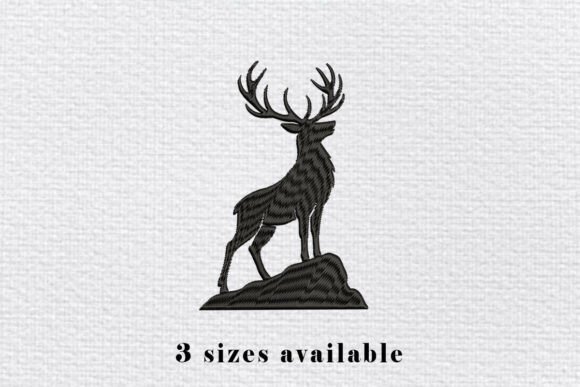
As an embroidery designer who’s prepped over 200 craft fair booths—from snowy mountain markets to sun-drenched coastal pop-ups—I opened the Deer Silhouette Embroidery Design File expecting rustic charm. What I found was something sharper: quiet confidence. “Proud standing deer on a hill” isn’t just descriptive—it’s a mood. This isn’t cartoonish or cutesy. It’s elegant, minimal, and deeply rooted in the Woodland Animals aesthetic without leaning into kitsch. At a glance, it reads as premium handmade—not mass-produced clip art. That matters when customers walk past your booth in under three seconds.
Where It Shines: Craft Fair-Ready Product Pairings
This machine embroidery design thrives where nature meets utility. On a heavyweight canvas tote bag? Perfect. The clean silhouette anchors the piece, giving visual weight without overwhelming. On a linen apron—especially one with natural dyes or oatmeal-toned fabric—it becomes a subtle signature, not a loud logo. For tea towel embroidery, it holds up beautifully when stitched at 3.5–4 inches wide: clear lines, no fill-heavy areas that bleed on terry texture.
It also excels as an embroidered patch—ideal for stitching onto denim jackets, market bags, or small pouches. Because the outline is strong and the negative space generous, it maintains integrity even when cut and heat-applied. As a pillow cover focal point (centered on a 16×16 inch cotton-linen blend), it adds boutique-level sophistication—exactly what draws gift buyers at holiday fairs.
What Holds It Back (and How to Fix It)
Let’s be direct: this embroidery file isn’t built for tiny placements. Avoid using it under 2.25 inches wide—especially on curved surfaces like caps. The hillline detail and fine antler definition risk blurring on knit fabric or dense twill without precise digitizing adjustments. Likewise, on dark fabric, thread contrast becomes critical. Stick to matte black or charcoal thread on navy, or ecru on charcoal—avoid glossy metallics unless you’ve tested them first.
Stitch density is likely moderate (based on “elegant” and “silhouette” cues), but always test the design on scrap fabric before batch production. Run it on your heaviest intended substrate—like a textured tea towel—and check for puckering. Use medium-weight cutaway stabilizer for structured items (totes, pouches) and tear-away for softer goods (pillow covers, aprons). Confirm hoop size early—this design likely fits standard 4×4 or 5×7 hoops, but don’t assume.
Selling Power: Booth Impact and Online Conversion
In person, the Deer Silhouette Embroidery Design File stands out because it’s both familiar and refined. Deer motifs sell—but this version avoids overused tropes (antlers wrapped in florals, glittery eyes, or overly stylized poses). Customers pause. They say, “That’s lovely,” not “Oh, another deer.” That micro-moment of connection converts browsers into buyers.
For Etsy sellers and digital shops, it photographs exceptionally well. Clean lines mean crisp shadows and easy white-background mockups. Pair it with a printable mockup showing the design on three products—tote, tea towel, and patch—and you’ll boost listing clarity and perceived value. As a small shop product, it supports brand consistency: imagine using it across seasonal collections—autumn market bags, spring aprons, winter pillow covers—all unified by the same confident silhouette.
Production Realities: Speed, Scale, and Consistency
This digital embroidery file is highly repeatable. No tiny lettering, no nested fills, no gradients that require specialty threads. That means faster hooping, fewer thread breaks, and smoother batch runs—critical when you’re embroidering 40 tote bags the night before a Saturday fair. It scales cleanly from 3 inches (for patches) to 6 inches (for pillow fronts) without losing legibility. Just avoid stretching it beyond 7 inches unless you’ve verified stitch integrity at that size.
One note: if your booth includes samples, embroider *at least one real mockup*—not just a screen image. A physical tote bag with this design tells a better story than ten digital listings. Customers touch it, feel the stitch quality, see how light catches the thread. That tactile proof builds trust far faster than any description.
Design Integrity Checks Every Embroidery Designer Should Make
- Test on scrap fabric matching your final product’s weight and weave
- Check thread contrast under both daylight and indoor booth lighting
- Review spacing between antler tips and hillline—tight gaps can vanish on textured towels
- Confirm hoop size and whether re-hooping is needed for multi-position items (like double-sided pouches)
- Inspect stitch density—if the hill base feels too heavy, reduce underlay or adjust stop points
- Use the right stabilizer: cutaway for structure, tear-away for drape, fusible for patches
- Create one real mockup before committing to full production
- Compare fabric colors side-by-side—what reads warm on screen may look cool in person
- Confirm commercial licensing before selling finished products—this is non-negotiable for Etsy sellers and wholesale partners
Final Verdict: A Quiet Workhorse for Thoughtful Makers
The Deer Silhouette Embroidery Design File isn’t flashy—but it doesn’t need to be. It’s the kind of craft fair product that sells because it feels intentional, grounded, and quietly luxurious. It elevates a basic tote into a keepsake. It gives an apron quiet authority. It turns a simple tea towel into a conversation starter. For embroidery business owners, handmade shop owners, and creative entrepreneurs building cohesive, nature-infused brands, this embroidery file delivers reliable visual appeal, strong booth presence, and genuine customer engagement—without demanding excessive production time or technical gymnastics.
If you’re curating a collection around authenticity, seasonality, and handmade quality, this Deer Silhouette Embroidery Design File earns its place—not as filler, but as a foundational design asset. Just remember: test, refine, and let the simplicity speak for itself.