Golden, Mandala Embroidery Design
First Impressions: A Quiet Statement, Not a Shout
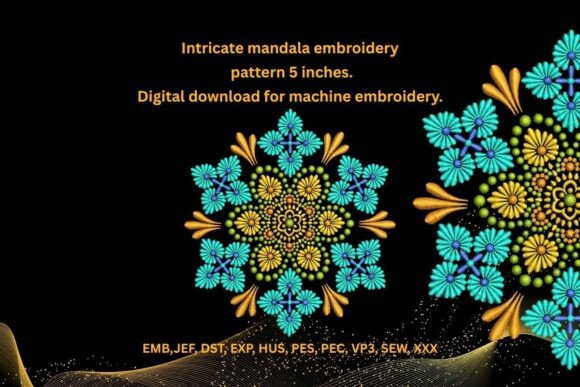
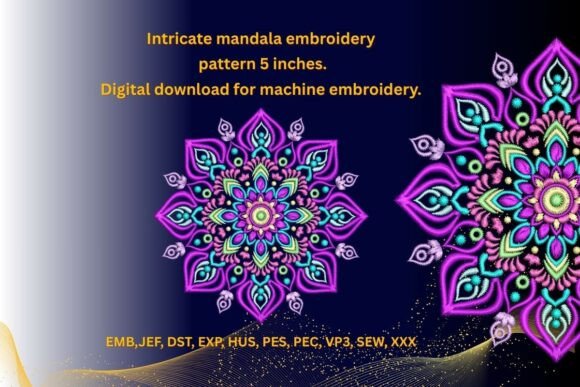
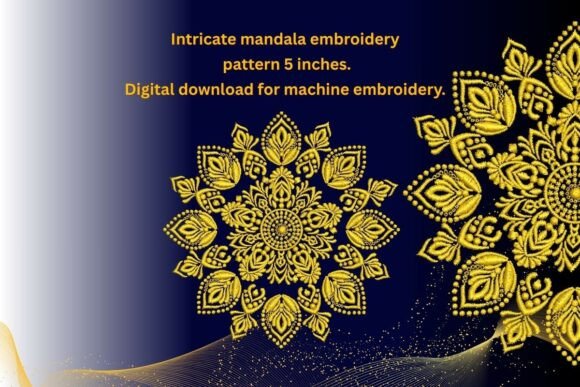
When I opened the Golden, Mandala Embroidery Design file, what struck me wasn’t flashiness—it was balance. The 5-inch pattern settles into the hoop like something that’s been waiting to land on the right fabric. It’s not overly symmetrical in a rigid way; there’s gentle asymmetry in the outer floral loops, and the geometric core has breathing room between lines. That matters—especially if you’re stitching for clients who want spiritual décor or boutique apparel that feels intentional, not mass-produced. This isn’t a mandala shouting “look at me.” It whispers “center,” “intention,” “care”—which is exactly why it works so well on slow-made items like hand-stitched pillow covers or linen tea towels meant for mindful mornings.
Real Project Test: A Linen Tote Bag for a Local Wellness Studio
I stitched the Golden, Mandala Embroidery Design onto a heavyweight natural linen tote—medium-weight stabilizer, 40-weight rayon thread in warm gold and soft cream. On the bag, centered just below the top seam, it held its shape beautifully. The floral tendrils didn’t blur; the inner geometric ring stayed crisp without over-stuffing the fabric. Customers noticed it immediately—not because it was loud, but because it looked *considered*. One client told me, “It makes the bag feel like a gift, even before I put anything in it.” That’s the quiet lift this design delivers: it raises perceived value without adding complexity to your workflow.
Where It Shines (and Where to Pause)
The Golden, Mandala Embroidery Design thrives in contexts where texture and intention align:
- Custom apparel: Works elegantly on crewneck sweatshirts (left chest), relaxed-fit tees (back yoke), and structured caps—though cap placement needs careful hoop alignment due to curvature.
- Baby and nursery items: Gentle enough for organic cotton onesies or muslin swaddles—but test stitch density first; dense fill areas may stiffen delicate weaves.
- Patches and applique designs: Clean outer edges make it ideal for sew-on or iron-on patches. Pair with a simple satin-stitch border for extra polish.
- Holiday and wedding gifts: Stitched on velvet pouches or silk ribbon bookmarks, it reads as heirloom-quality—no extra embellishment needed.
That said, proceed thoughtfully with:
- Thin or stretchy fabrics: Light knits or rayon challis need cutaway + tear-away combo stabilizer—this design’s detail relies on stability, not fabric give.
- Dark backgrounds: Gold thread can recede on charcoal or navy unless you add a subtle underlay or switch to metallic thread with high reflectivity.
- Tiny hoops (under 4 inches): At full 5-inch scale, some outer filigree may clip or compress. Resize proportionally—and always check small details like petal tips after scaling.
What It Does for Your Craft Business
If you’re an Etsy seller or small shop owner, the Golden, Mandala Embroidery Design quietly strengthens your brand voice. It doesn’t scream “trendy”—it signals consistency, care, and quiet confidence. When used across a product line (e.g., matching pillow cover + tea towel + baby blanket), it becomes a subtle signature—not a logo, but a shared visual language. Buyers respond to that cohesion. I’ve seen shops using this style of mandala see higher engagement on social posts showing *process*—not just the finished tote, but the stabilizer laid out, the thread spools lined up, the first clean satin stitch landing on linen. That authenticity sells.
Design Assets & Commercial Use Notes
This isn’t just a pretty embroidery file—it’s a versatile design asset. As a digital embroidery file, it holds up well in printable mockups (try it on neutral-toned lifestyle shots), and scales cleanly for both large-format pillow embroidery and smaller patch versions. For commercial embroidery, confirm licensing terms before bundling it into kits or offering it as part of a custom service package. If you sell finished products, customers consistently describe pieces with this design as “thoughtful,” “calming,” and “made with attention”—phrases that convert browsing into buying.
Practical Designer Notes You’ll Actually Use
Before stitching your first Golden, Mandala Embroidery Design project, do these five things:
- Test it on scrap fabric *with your exact stabilizer and thread*—not just similar, but identical. Satin stitch behavior changes drastically with thread weight and tension.
- Check contrast in black-and-white mockups. If the design loses definition in grayscale, it may fade on dark garments or low-light displays.
- Inspect corners and tight curves at 200% zoom in your embroidery software. Look for running stitch gaps or over-dense fill areas that could cause puckering.
- Compare how it reads on light vs. dark fabric backgrounds using real swatches—not just screen previews.
- Verify hoop size compatibility *before* hooping. A 5-inch design fits standard 5x7 hoops, but double-check nesting if layering with text or secondary motifs.
Final Thought: It’s Not Just a Mandala—It’s a Moment
In a market flooded with fast, flashy embroidery files, the Golden, Mandala Embroidery Design stands out by doing less—and meaning more. It doesn’t demand attention; it earns it. Whether you’re stitching a personalized gift for a friend’s meditation retreat, building a cohesive line for your craft business, or creating custom apparel for a yoga studio, this design supports your intent instead of competing with it. It’s the kind of embroidery file that makes people pause, touch the fabric, and say, “Who made this?”—and that’s the highest compliment any designer or maker can receive.