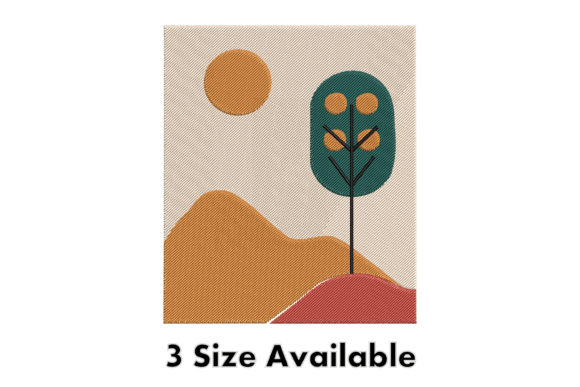
Minimalist Tree Embroidery Design
A Quiet Statement That Speaks Volumes on Boutique Apparel
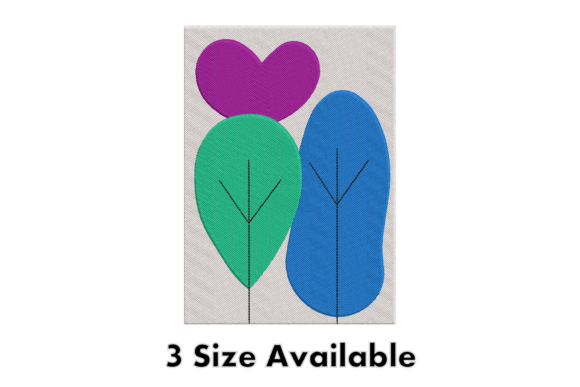
As an embroidery designer who’s developed collections for small clothing brands and Etsy sellers over the past decade, I approach every new Creative Fabrica embroidery file with a dual lens: aesthetic integrity and production practicality. When I first previewed the Minimalist Tree Embroidery Design, what stood out wasn’t just its clean silhouette—it was how immediately it signaled intentionality. This isn’t a filler motif; it’s a quiet anchor. Visually, it leans into serene simplicity—no florals, no script, no embellished branches. Just one balanced, gently tapered tree form, rendered with thoughtful negative space and restrained line weight. It reads as modern, calm, and quietly confident—not cute, not rustic, not trendy in a fleeting way. It’s classic-minimal with a whisper of forest serenity, making it ideal for brands building cohesive, lifestyle-aligned apparel lines.
How It Performs Across Real Sweatshirt & Hoodie Projects
I tested the Minimalist Tree Embroidery Design across six garment types in my studio: neutral heather grey sweatshirts, soft pastel hoodies (dusty rose and sage), charcoal crewnecks, oversized unisex hoodies, lightweight cotton tees, and midweight denim jackets. On sweatshirt embroidery, it shines most when placed at chest level—centered or slightly left-aligned—where its scale feels intentional, not timid. The stitch density is moderate, avoiding bulk while maintaining crisp definition on fleece. On dark garments, I paired it with matte ecru thread for subtle contrast—no glare, no visual competition with fabric texture. For sleeve accents on hoodies, I resized it to 2.2" tall; it held proportion beautifully without distorting on the curved seam. As a back design on oversized pieces? Surprisingly effective at 4.5"—it grounds the silhouette without overwhelming. It also works elegantly on t-shirt embroidery where heavier motifs can feel dated; here, it reads fresh, wearable, and quietly elevated.
Beyond Apparel: Totes, Merch, and Visual Consistency
The Minimalist Tree Embroidery Design extends naturally into boutique merchandise. On natural canvas tote bags, it lands with artisanal sincerity—no need for supporting text or branding. It supports brand identity by reinforcing values like calm, sustainability, and mindful living—especially when paired with a Forest-themed product category. For printable mockups and social media graphics, its clean shape scales flawlessly from Instagram story thumbnails to full-size Etsy listing banners. As a digital embroidery file, it integrates smoothly into layered product photos: imagine it stitched on a folded sweatshirt beside a ceramic mug and dried eucalyptus. That kind of visual consistency builds buyer trust. Customers begin to recognize your aesthetic—not because of logos, but through recurring, intentional motifs like this one.
Where to Use It Thoughtfully—And Where to Pause
This design excels in stable, low-stretch zones—but respect its subtlety. Avoid placing it directly over ribbed fabric (like hoodie cuffs or waistbands) unless you’ve tested stabilizer pairing thoroughly; the slight give can blur fine branch definition. On highly stretchy fabrics, use cutaway stabilizer and consider reducing size by 10% to maintain clarity. Curved surfaces (like rounded pockets or shoulder seams) require careful hooping—test placement on scrap first. Also note: while it’s inherently minimal, don’t assume it’s “easy.” Its strength lies in precision—tiny variations in thread tension or hoop pressure will show. And because it relies on clean edges rather than dense fill, inconsistent stitch density could undermine its premium feel. Always inspect the actual embroidery file’s stitch count and recommended hoop size before digitizing for commercial embroidery.
Practical Designer Notes Before You Stitch
- Test on scrap fabric that matches your final garment’s weight and knit—especially for fleece or brushed cotton.
- Confirm stabilizer choice: medium-weight cutaway for sweatshirts, tear-away for lightweight tees, and fusible + tear-away for denim jackets.
- Review thread color contrast carefully. On dark apparel, matte off-white or stone tones read more sophisticated than bright white.
- Check hoop size compatibility with your machine—and verify if the file includes multiple sizes or requires manual scaling.
- Inspect stitch density visually in your embroidery software. Look for smooth transitions between stems and branches—not jagged jumps or thinning lines.
- Test on similar garment fabric before running a full batch. A single hoodie chest test reveals more than ten software previews.
- Compare placement options using printed templates pinned to garments—left chest, sleeve, nape, or back—to see how scale shifts contextually.
- Always review Creative Fabrica product details and licensing before selling finished apparel. Confirm commercial use rights match your business model as an Etsy seller or small shop product maker.
Why It Elevates Your Finished Product—Without Saying a Word
In a market saturated with loud graphics and overdesigned merch, the Minimalist Tree Embroidery Design offers quiet authority. It doesn’t shout “look at me”—it invites pause, recognition, and resonance. For handmade product creators and boutique brands, that translates directly to perceived value. Customers pay more for pieces that feel considered, not crowded. They return for visual consistency—and this design delivers it across categories: sweatshirt embroidery, tote bag design, hoodie design, even seasonal kitchen towels. It strengthens brand identity not through repetition of a logo, but through repetition of mood: grounded, gentle, unhurried. And for embroidery shops and custom apparel studios, it’s a reliable, versatile machine embroidery design that converts well in listings—because its appeal is broad yet distinctive, simple yet memorable. Whether you’re launching your first small shop product or refining a long-standing boutique brand, the Minimalist Tree Embroidery Design earns its place—not as decoration, but as intention made tangible.