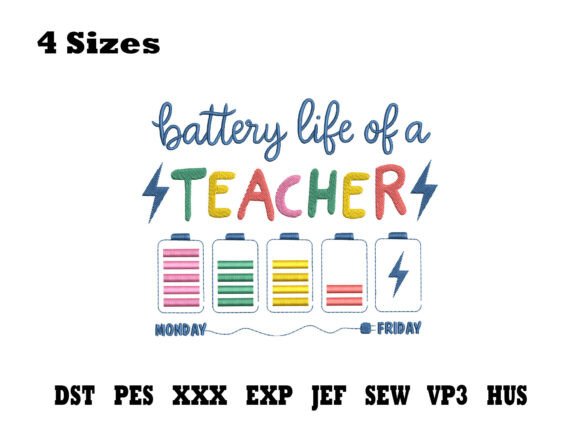
Battery Life of a Teacher Embroidery
A Designer’s First Look: Charm, Clarity, and Quiet Confidence
As an embroidery designer who’s tested hundreds of digital embroidery files for small shops and Etsy sellers, I opened Battery Life of a Teacher Embroidery expecting whimsy—and found something warmer: quiet intention. It doesn’t shout. It smiles. The design carries a gentle, hand-drawn charm—soft curves, balanced negative space, and just enough detail to feel considered without overwhelming the fabric. It’s neither overly modern nor retro; it lives in that sweet spot of timeless playfulness. Think “hand-lettered chalkboard” meets “cozy storybook illustration.” For personalized gift makers, that tone is gold—it invites emotional connection without leaning into cliché.
Where This Design Truly Shines
Battery Life of a Teacher Embroidery isn’t just versatile—it’s *purpose-built* for meaning. Here’s where it lands with real impact:
- Baby embroidery: Stitched on a cotton muslin baby blanket or a linen onesie, it reads as tender and hopeful—not cutesy, but deeply personal. Parents love subtle nods to vocation, care, and quiet strength.
- Wedding gift: Embroidered on a linen pillow cover or monogrammed kitchen towel, it honors educators in the couple’s life—bridal party members, mentors, or even the couple themselves. It feels heartfelt, not generic.
- Nursery decor & keepsakes: On a framed hoop or a stitched wall hanging, it adds warmth without clutter. Paired with soft neutrals or muted pastels, it becomes heirloom-adjacent.
- Custom tote bags & aprons: Its clean silhouette holds up beautifully on structured canvas or medium-weight cotton twill—ideal for teacher appreciation gifts, back-to-school launches, or boutique retail displays.
- Etsy seller appeal: As a digital embroidery file, it pairs effortlessly with printable mockups. Customers instantly visualize it on their favorite product—no guesswork, no friction.
Smart Placement Matters: Where to Use With Care
Even the most charming machine embroidery design needs thoughtful execution. Here’s where Battery Life of a Teacher Embroidery asks for your attention:
- Small lettering or fine details: While legible at standard sizes (3–4 inches wide), avoid shrinking it below 2.5 inches—especially on textured fabric. Test stitch density first.
- Thick or looped fabrics: Towels and terry cloth require extra stabilizer support. A cutaway + tear-away combo prevents puckering and keeps text crisp.
- Stretchy baby clothes: Use light fusible stabilizer *behind* the fabric—not just hooped—and avoid high-stitch-density areas near seams.
- Curved surfaces: Pillow covers and apron pockets need careful hooping and possibly re-hooping mid-stitch if the design wraps too far around a seam.
- Dark fabric: Light thread colors may lack contrast. Always test on scrap fabric using your intended thread palette—especially for embroidered towels or blankets meant for gifting.
- Frequent-wash items: Confirm thread quality and stabilizer hold-up. A well-stitched Battery Life of a Teacher Embroidery should survive 30+ gentle cycles—but only if you’ve tested it.
Why This Design Builds Trust—and Sales
In handmade product markets, perception is everything. When customers see Battery Life of a Teacher Embroidery on your Etsy listing or shop window, they don’t just see stitching—they sense care, clarity, and emotional intelligence. That translates directly to perceived value: buyers pay more for pieces that feel intentional, not mass-produced. It also strengthens customer trust—because this design doesn’t try to be everything. It leans into its niche (educators, caregivers, lifelong learners) and does it with grace. For wedding gift designers or baby product creators, that specificity builds loyalty. And for product photography? Its balanced composition and readable line work make flat-lays and lifestyle shots pop—no heavy editing needed.
Practical Notes Before You Stitch
Before adding Battery Life of a Teacher Embroidery to your next custom order or wholesale batch, run through these essentials:
- Test on scrap fabric—same type, same color, same stabilizer stack you’ll use on the final piece.
- Check thread color contrast across light and dark fabric mockups. Some digitizers optimize for white; yours may need adjustment.
- Confirm hoop size compatibility. If your machine uses smaller hoops, verify whether the design fits or requires splitting.
- Review stitch density. Overly dense fills can overwhelm lightweight fabrics—especially for baby embroidery or delicate pillow covers.
- Use proper stabilizer: Medium-weight cutaway for stable fabrics (tote bags, towels); lightweight tear-away for cotton tees or nursery linens.
- Compare light/dark fabric mockups side-by-side. What reads beautifully on ivory may vanish on navy—unless thread choice compensates.
- Inspect small details post-stitch: Are all letters fully formed? Is the whimsical element (e.g., stylized battery icon or subtle heart motif) clean and legible?
- Verify commercial licensing before selling finished products. As a digital embroidery file, its terms determine how you may use it in your small shop product or handmade business.
A Final Thought for Makers and Sellers
Battery Life of a Teacher Embroidery isn’t just another machine embroidery design—it’s a quiet invitation to celebrate resilience, patience, and quiet dedication. Whether stitched onto a baby blanket passed down through generations or a teacher’s favorite apron worn daily in the classroom, it carries weight because it’s understated, not overdesigned. For Etsy sellers building curated collections, craft fair vendors seeking standout handmade product, or wedding gift designers sourcing meaningful embroidery files—this one earns its place. Just remember: charm is amplified by craftsmanship. Test. Tweak. Trust your eye. And let every stitch reflect the care your customers expect—and deserve.