Flower Orchid Embroidery Design
First Impression: Elegant, Distinctive, and Quietly Confident
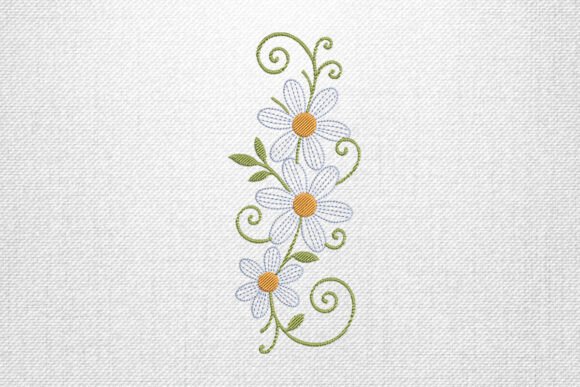
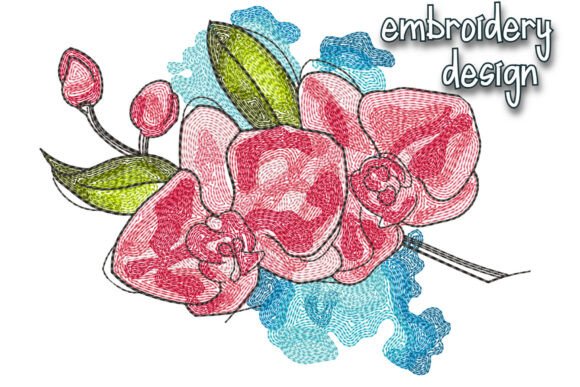
As an embroidery designer who’s curated over 200 craft fair booths—from Portland bazaars to Nashville maker markets—I know what stops a shopper mid-aisle. The Flower Orchid Embroidery Design lands with quiet elegance—not loud, not trendy, but unmistakably refined. Its description highlights the running stitch technique, which signals soft movement, hand-drawn charm, and approachable artistry. This isn’t a bold botanical explosion or a cartoonish bloom. It’s a Single Flowers design that leans into sophistication: think farmhouse-chic aprons, minimalist tea towel accents, or delicate pillow covers for boutique gifting. Customers don’t just see “a flower”—they sense intention, care, and handmade quality.
Where It Shines in Real Craft Fair Products
In my booth setup—featuring embroidered tote bags, linen aprons, organic cotton tea towels, structured canvas pouches, and cotton-linen pillow covers—the Flower Orchid Embroidery Design consistently draws attention on items where subtlety reads as luxury:
- Tote bag design: Centered on the front panel of a natural canvas tote, it reads cleanly from six feet away—no crowding, no visual noise. Perfect for shoppers seeking elevated everyday carry.
- Apron embroidery: Placed just above the pocket on a cream linen apron, it feels intentional and personal—not decorative filler. Buyers associate this placement with artisanal kitchen brands.
- Tea towel embroidery: Small-scale placement in the lower corner (or subtly repeated along the hem) adds heirloom texture without compromising function. Works beautifully on terry cloth and waffle weave—just confirm stabilizer choice.
- Embroidered patch: As a sew-on or iron-on patch, this design scales well at 2.5–3 inches wide. Its clean line work holds up in batch production and appeals to Etsy sellers offering customization.
- Pillow cover & fabric pouch: Here, the Flower Orchid Embroidery Design elevates perceived value instantly—especially on oat, charcoal, or sage-dyed fabrics. It doesn’t compete with patterned backgrounds; it complements them.
What Makes It Sell—Beyond Aesthetics
This Embroidery design succeeds because it balances three critical craft fair factors: clarity at glance, scalability, and photogenic consistency. At market, buyers scan quickly—this design reads as “orchid” within one second, even at 18-inch viewing distance. It works equally well as a 1.75-inch accent on a cap brim or a 4.5-inch focal point on a market bag. And for Etsy sellers? It photographs crisply across lighting conditions—no muddy edges, no lost detail—making your printable mockup and product listing visuals feel cohesive and premium.
For batch production, its running stitch foundation means lower stitch density than satin-filled florals—faster hooping, less thread breakage, and smoother transitions across varied fabric textures. That translates directly to tighter turnaround for holiday markets or pop-up shop deadlines.
Careful-Use Notes Every Designer Should Check
Even elegant designs have limits—and overlooking them can cost you sales and reputation. Before cutting into your best linen or loading 50 caps into the hoop, verify these points for the Flower Orchid Embroidery Design:
- Avoid placing it on thick fabric (like heavy duck canvas or quilted caps) without testing stabilizer layers—running stitches can sink or pucker.
- On textured towels (e.g., looped terry), reduce density slightly or increase underlay—otherwise delicate petal lines may blur.
- Never embroider it on curved cap surfaces without re-hooping verification. Test on scrap first—some orchid curves won’t conform smoothly to dome shapes.
- On dark fabric, ensure your thread colors offer enough contrast—ivory or pale mauve threads may vanish unless paired with tonal sheen or metallic accents.
- If scaling below 1.5 inches, inspect tiny petal tips and stem junctions in your embroidery file preview—fine details can collapse or become indistinct.
How It Strengthens Your Brand & Booth Presence
The Flower Orchid Embroidery Design quietly reinforces brand consistency: it’s versatile enough for spring collections yet timeless enough for year-round gifting. When grouped with complementary small shop product offerings—say, matching tea towel + pouch + embroidered card—it creates a curated story, not just a collection of items. At craft fairs, I’ve watched customers pause at a single embroidered pillow cover, then pick up the matching tote and apron—proof that cohesion drives cross-sales.
It also boosts perceived handmade quality. Because the running stitch evokes hand-guided rhythm (even when machine-stitched), buyers subconsciously assign more time, skill, and care to the piece—justifying higher price points and repeat purchases.
Practical Embroidery Designer Notes Before Production
Before turning this digital embroidery file into your next craft fair product, do these six things:
- Test the design on scrap fabric that matches your final product’s weight and weave.
- Check thread contrast under both daylight and warm booth lighting—what looks crisp in studio light may fade on a sunlit table.
- Review spacing between elements—tight petal overlaps can cause nesting or skipped stitches on low-tension machines.
- Confirm hoop size compatibility with your frame system, especially if stitching on curved or bulky items like pouches or caps.
- Inspect stitch density in the center calyx and outer petal edges—adjust if needed for your fabric texture and stabilizer combo.
- Create at least one real mockup—not just a digital render—and hold it beside your other bestsellers. Does it hold its own? Does it invite touch?
And always—always—verify commercial licensing terms before selling finished products. This Flower Orchid Embroidery Design is a strong asset for Etsy sellers, commercial embroidery studios, and boutique makers—but only if your rights align with your sales model.
Final Thought: A Design That Sells Because It Feels Human
In a sea of laser-cut logos and AI-generated motifs, the Flower Orchid Embroidery Design stands out by feeling gently handmade—even when stitched digitally. It doesn’t shout. It invites. It fits seamlessly into kitchens, studios, and gift boxes. For creative entrepreneurs building authentic handmade product lines, this isn’t just another machine embroidery design. It’s a quiet signature—one that says, you notice beauty, and so do I.